
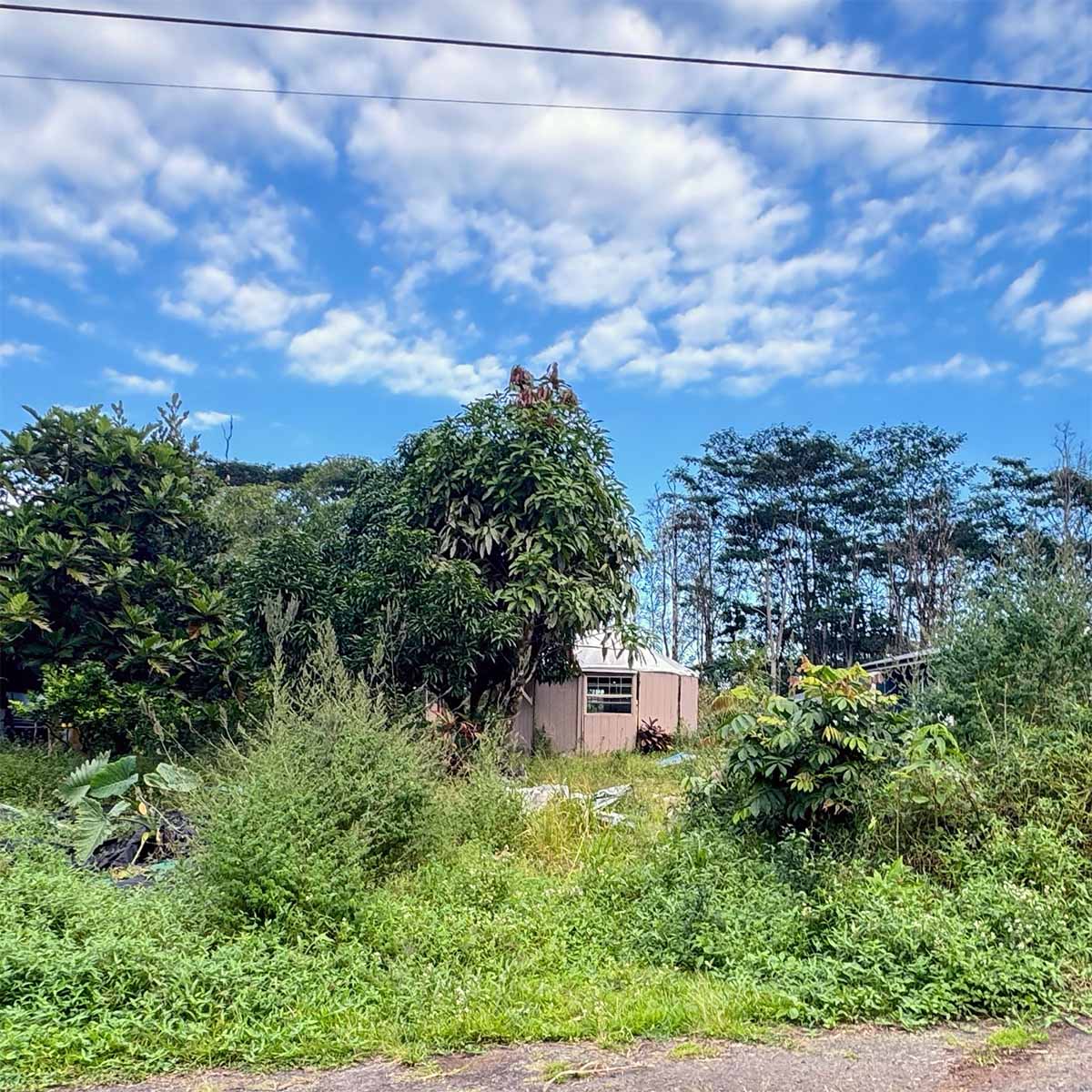
Current Conditions
Existing site conditions showing legacy structures and overgrowth to be managed through phased land restoration supporting agricultural use.
A phased ʻāina stewardship effort restoring agricultural land through regenerative care—supporting existing trees, improving soil and water systems, and gradually expanding diverse food plantings to strengthen local food resilience in Puna, Hawaiʻi.
Open to collaboration with aligned 501(c)(3) organizations, technical partners, and community funders.
Existing site conditions showing legacy structures and overgrowth to be managed through phased land restoration supporting agricultural use.
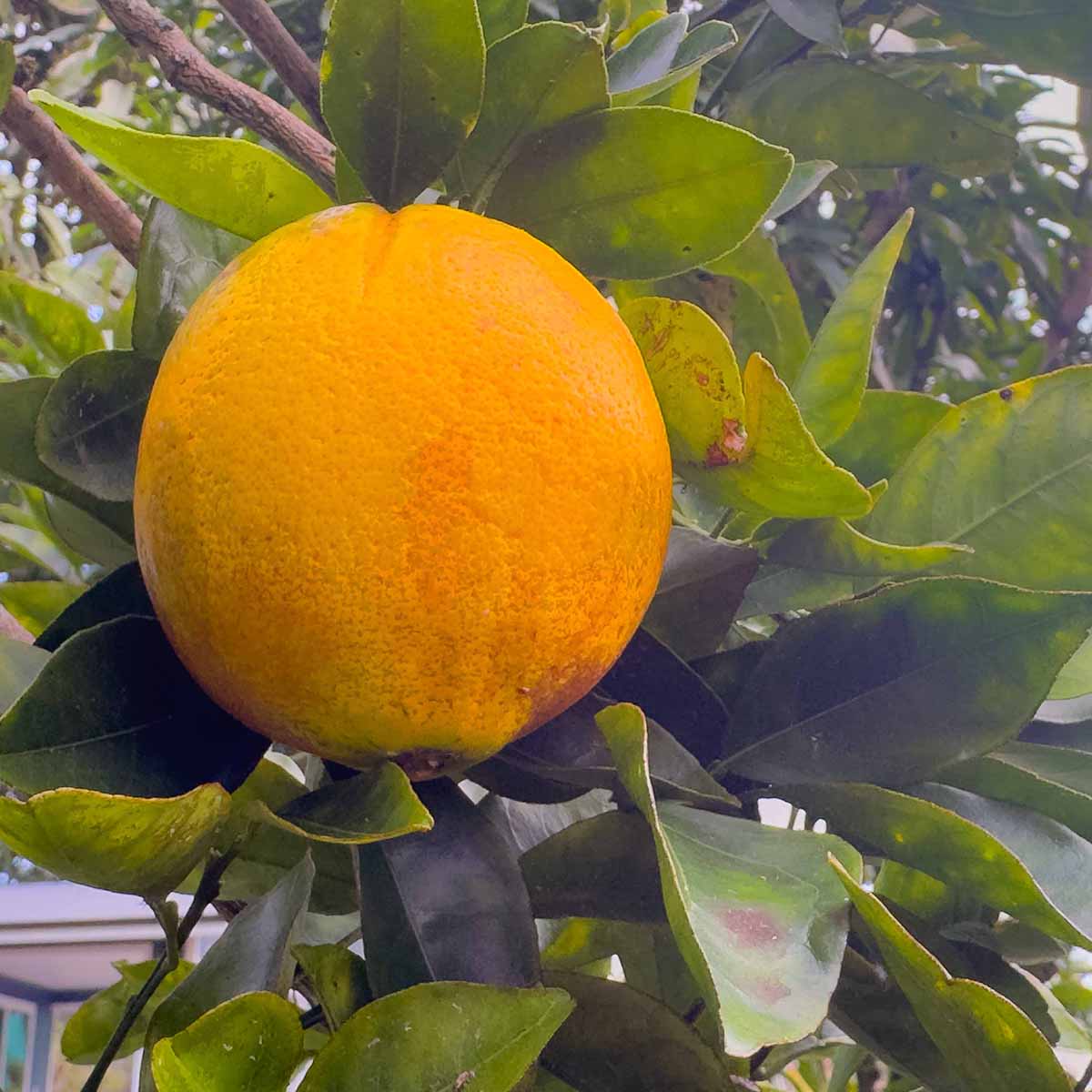
Current citrus production demonstrating the site’s potential for expanded local food cultivation.
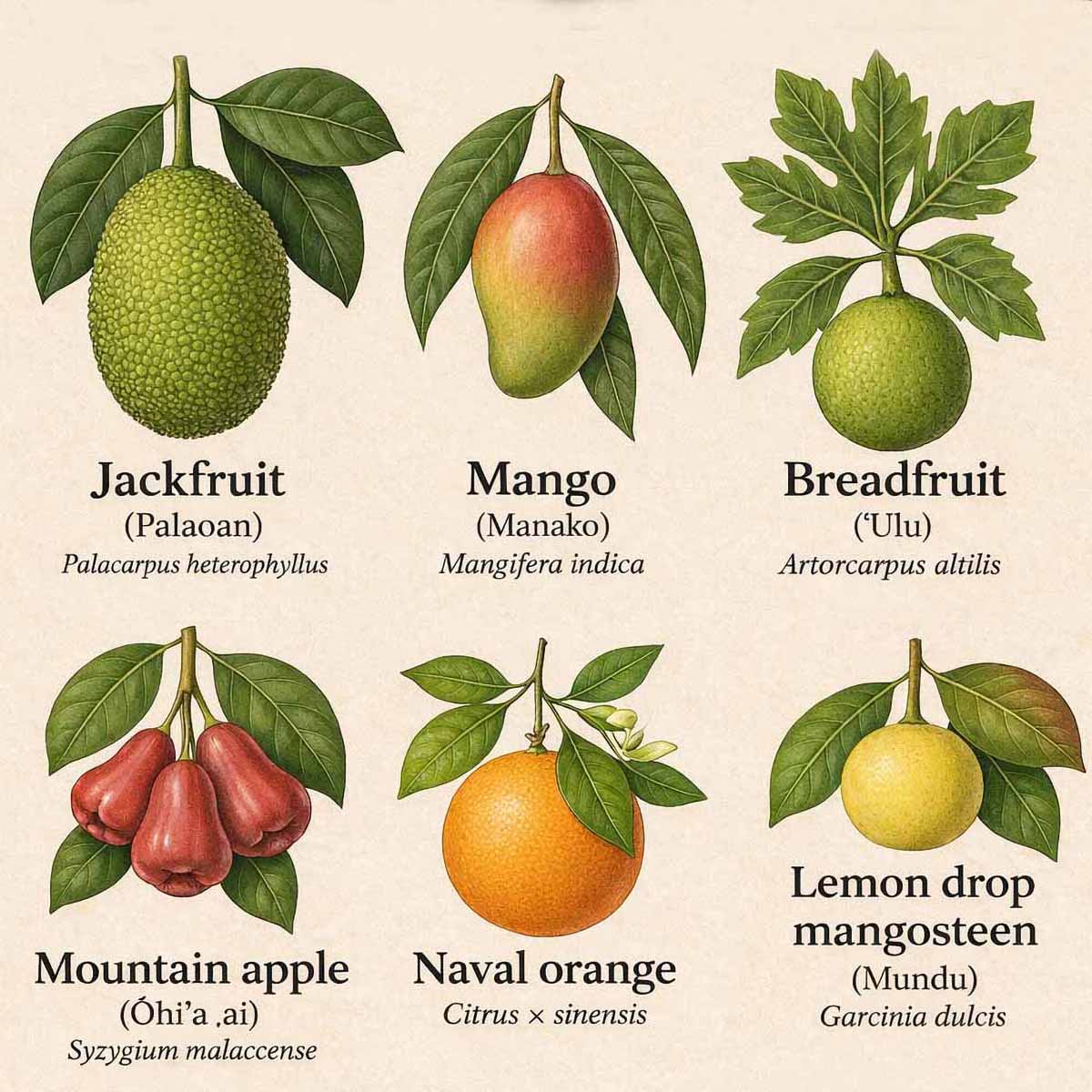
Existing food and supporting plant species documented on site, with planned expansion of soil health and diversified crops including citrus, ginger, papaya, herbs, teas, and companion plantings.
The Puna ʻĀina Project is a practical, outcomes-focused effort to restore overgrown agricultural land into productive food-growing space through Hawaiʻi-appropriate, low-input stewardship practices. Rooted in long-term ʻāina care and small-scale food production in Puna, Hawaiʻi, the project emphasizes stewardship of existing breadfruit and citrus trees while gradually introducing additional food crops and companion plantings that support soil health, biodiversity, and long-term productivity. Core activities include soil restoration, composting, and efficient rainwater-fed irrigation supplied by a non-potable agricultural catchment system. Supporting infrastructure includes a small, non-habitable agricultural utility workspace dedicated to tools and food-production activities. Implemented in phases, the project is designed to grow sustainably over time while strengthening local food resilience and responsible land stewardship in Hawaiʻi.
The Puna ʻĀina Project supports long-term ʻāina stewardship and small-scale food production through regenerative land care, agroforestry, and community-centered practices that strengthen local food resilience across Hawaiʻi.
Increase locally grown food through stewardship of existing trees and new plantings, while improving soil health, water efficiency, and long-term land care. The project is intentionally non-residential and focused on agricultural use and community benefit.
We track outputs in plain terms: harvest weights, plant counts, managed area, and photo documentation over a 12-month cycle.
Permit-ready plan set and notes (share selectively as needed).
Open PlansDrop your plan PDF into /documents/ with this filename.
Short notes about breadfruit care, citrus stewardship, soil amendment, and irrigation layout.
Coming soonHow to support this project through aligned 501(c)(3) partnerships and tax-deductible giving pathways.
View PDFWe’re open to collaboration with existing 501(c)(3) organizations (fiscal sponsorship), technical partners, and aligned funders interested in food security and ʻāina stewardship in Puna.
If your organization provides fiscal sponsorship, we can share a simple project scope, budget, and reporting approach.
Tools, soil inputs, irrigation supplies, plants, and local expertise can meaningfully accelerate progress.
Microgrants, donor-advised funds, and community partnerships—structured for transparency and measurable outcomes.
We want to hear from you; Please get in touch!
Zack Anderson
zackandersonconsulting@gmail.com
TMK: (3) 1-6-031-240 (for project reference)
This project is non-residential. Agricultural improvements are phase-based, documented, and aligned with food security and ʻāina stewardship goals. We can provide a project snapshot, basic budget, and measurable outcomes plan on request.